TitleSearch.com Records
New Construction Title Searches
On this page
The House Is New, The Land Is Not
Buyers of new construction reasonably assume the paperwork is as fresh as the drywall. It is not. The structure is new, and the parcel underneath it has whatever recorded history the land always had, plus a fresh layer of documents created by the development itself. A brand-new home can close with an unreleased construction mortgage, an unpaid subcontractor, and a set of subdivision restrictions nobody handed the buyer.
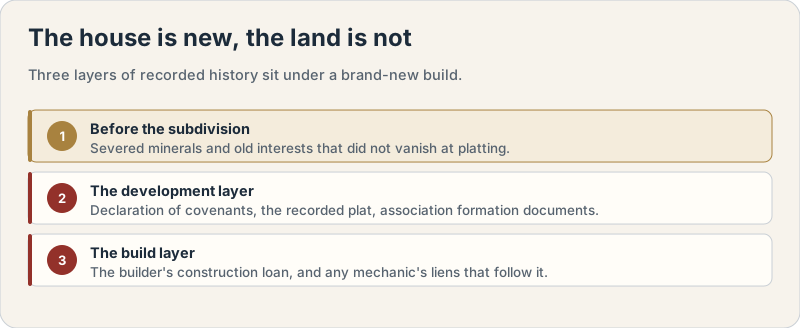
None of that is a reason to avoid new construction. It is a reason to treat the title search as a real step rather than a formality, because the specific problems here are different from the ones on a resale.
The Builder's Construction Loan
Most builders finance construction with a loan secured by the lot, often as part of a blanket mortgage covering an entire phase of a subdivision. When a home sells, the lender executes a partial release for that lot and the rest of the blanket stays in place.
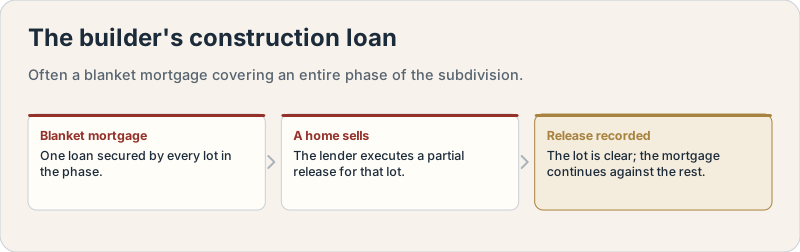
The failure mode is straightforward. The release is never recorded, or it is recorded against the wrong lot number, and the mortgage keeps appearing to encumber a house the builder no longer owns. This surfaces years later, usually when the buyer tries to sell or refinance, and by then the builder may no longer exist. Confirming that the release is on record and describes the correct lot is a two-minute question with a very long tail if nobody asks it.
Mechanic's Liens Arrive After the Build
A general contractor who does not pay a framer, a supplier, or an excavator leaves that party with a lien right against the property, not against the contractor. The homeowner had no relationship with the subcontractor and had no way to know the bill went unpaid, and in most states that does not matter.
The timing is what makes this dangerous on new construction. Lien deadlines run from the last day of work, not from the closing, and they commonly extend for several months afterward. A search performed the week of closing can be genuinely clean while a lien filed six weeks later is entirely valid. Where the builder's finances look strained, that gap deserves attention, and a lien and judgment search against the builder's name as well as the parcel is the practical response. Our lien, UCC and HOA searches cover both.
Subdivision Documents Are Recorded Before You Arrive
A new subdivision generates a declaration of covenants, conditions and restrictions, a recorded plat, and usually the formation documents of a homeowners association. All of it is recorded against the land, all of it binds the buyer, and much of it is handed over as a stack too thick to read during a closing.
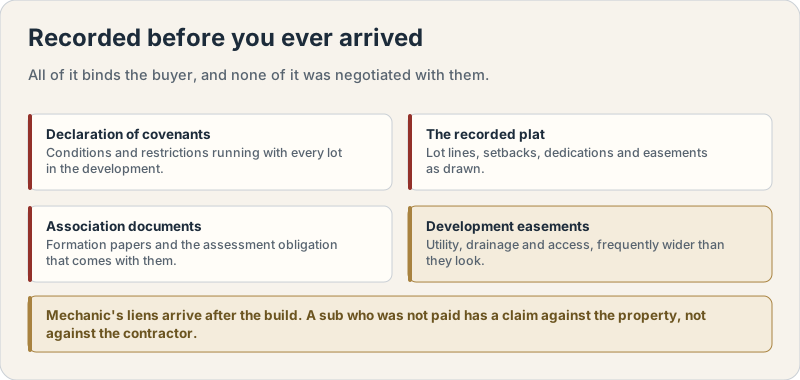
The provisions that matter most are the ordinary ones. Architectural approval requirements that govern a fence or a shed. Limits on rentals, home occupations, and vehicle storage. Assessment obligations, including a special assessment power that has not been used yet. Setback and easement lines drawn on the plat that constrain the pool or the addition already sketched on a napkin.
There is also the developer's reserved rights problem. Declarations routinely give the developer control of the association and the right to amend the declaration until a stated percentage of lots is sold. A buyer in phase one is agreeing to terms that can still change.
Easements Drawn for the Development
Utility, drainage, and access easements are dedicated at platting and are frequently wider than they look. A ten-foot utility easement along a rear lot line is invisible on the ground and decisive for anything a buyer wants to build there later. Detention and retention areas, shared driveways, and emergency access lanes all appear on the plat rather than in the sales brochure. Our easement searches trace what is recorded against the specific lot.
What Came Before the Subdivision
The parcel existed before the developer bought it, and old interests do not vanish at platting. Severed mineral rights are the common one, particularly on former farmland, and a mineral estate holder may retain surface access rights. Old agricultural or oil and gas leases, prescriptive uses, and restrictions from a prior owner can all still be on the record. A chain of title search reads the conveyances in order rather than looking only at the deed the builder signed.
What to Order and When
For a typical new-build purchase, a search covering the current record plus the development-era documents is the useful scope, run before closing. Where the builder is small, recently formed, or building through a single-purpose entity per phase, adding a name search against the entity is worth the small extra cost.
Then check again. Ordering a second, narrow search a few months after closing catches the mechanic's lien that was filed inside its statutory window, at a point when it can still be dealt with cheaply. Compare scopes on the title search products page, or request a custom quote if the purchase covers several lots.
Two limits worth stating. A title search reports what has been recorded and indexed in the offices searched, as of the date of the search, and recording practice varies from county to county. And construction quality, permitting, code compliance, and warranty coverage sit with the building department and the builder, not in the land records. A clean title report says nothing about whether the house was built well.
Have a lot number and a subdivision name? Contact us and we will tell you what scope fits. If the parcel was raw acreage until recently, our guide to vacant land title searches covers the questions that survive the platting.
Order a certified title search today.
Certified abstractors, county-verified records, and clear turnaround times — nationwide.