TitleSearch.com Records
Condominium & HOA Searches
On this page
The Deed Is Only Half the Document
Buying a house means buying a parcel described in a deed. Buying a condominium unit means buying something a recorded declaration brought into existence. The declaration creates the units, defines where each one begins and ends, allocates the common elements, and sets the rules the owner agrees to by taking title. The deed to a unit is short precisely because the declaration is doing most of the work.
That is the practical difference for a title search. On a house, the chain of title is the story. On a condominium, the chain of title is one chapter and the governing documents are the rest.
What the Declaration Actually Decides
Four things worth reading before closing rather than after.
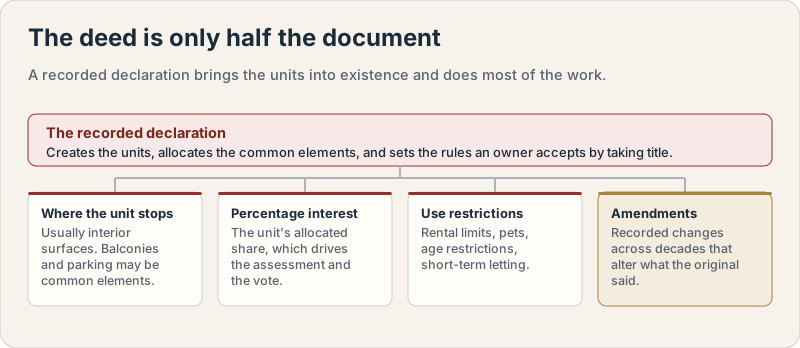
Where the unit stops
Most declarations define a unit by interior surfaces, which means the owner holds the space and the association holds the structure. Whether a balcony, a parking space, a storage locker, or the windows belong to the unit or to the common elements is a question the declaration answers, and owners are regularly surprised by the answer when something needs repairing.
The percentage interest
Each unit carries an allocated share of the common elements, and that percentage usually drives both the assessment and the vote. It is recorded, it is specific to the unit, and it is worth confirming rather than assuming it matches the neighbors.
Use restrictions
Rental limits, pet restrictions, age restrictions in qualifying communities, and rules on short-term letting all sit in the declaration or in recorded amendments to it. A buyer planning to rent the unit should read these first, not last. Our guide to owner financing and land contracts covers a related point about recorded terms binding later owners.
Amendments
Declarations get amended, sometimes many times over decades. An amendment recorded in 1998 can change what the original document said, so reading the declaration alone is not enough. The amendments are part of the record and part of what binds the unit.
Assessments Are the Common Problem
Unpaid association assessments are the single most frequent defect on a condominium unit. They accrue monthly, they attach to the unit, and in most states the association can record a lien for them.
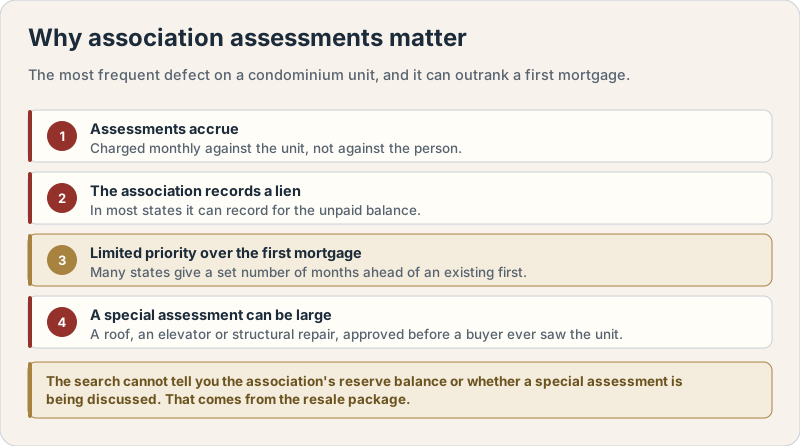
Two features make them worth taking seriously. First, many states give association liens a limited priority over an existing first mortgage, commonly a set number of months of assessments, which reverses the usual expectation about who comes first. Second, a special assessment for a roof, an elevator, or structural repair can be very large and may have been approved before a buyer ever saw the unit. A lien, UCC and HOA search reports what is recorded against the unit, and an estoppel or resale certificate from the association covers the account balance itself.
Planned Communities Are Not Condominiums
A single family home inside a homeowners association is a different structure with a similar feel. The owner holds a conventional lot, and a recorded declaration of covenants imposes obligations and assessments on top of it. The association may own common areas as a separate parcel.
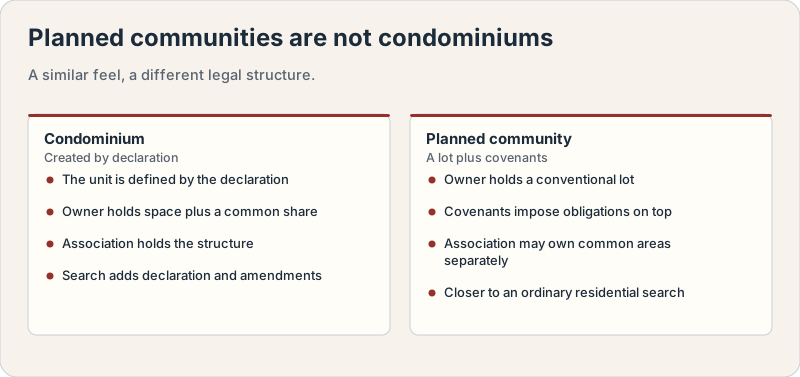
The search is closer to an ordinary residential search, with the declaration and its amendments added. What matters is the same in both cases, which is that a recorded document is imposing obligations the deed does not mention.
What the Search Will Not Tell You
It will not tell you whether the association is financially sound, how much is in the reserve fund, or whether a special assessment is being discussed. It will not tell you about pending litigation the association has not recorded, or about deferred maintenance nobody has voted on yet. Those come from the association's own records, usually through a resale package, and they are worth requesting in every purchase.
It also will not tell you whether the project meets any particular lender's approval criteria. That is a lending question answered by the lender.
What to Order
For a condominium purchase, the useful scope is the chain of title on the unit, the recorded declaration and every amendment, and a lien and assessment search against both the unit and the current owner. Compare the options on the title search products page, or request a custom quote where several units are involved.
Two limits stated plainly. A title search documents what has been recorded and indexed in the offices searched, as of its date, and recording practice varies from one county to the next. And how a particular declaration or state statute applies to your situation is a question for an attorney rather than an abstractor.
Have a unit number and a project name? Contact us and we will tell you what scope the property calls for.
Order a certified title search today.
Certified abstractors, county-verified records, and clear turnaround times — nationwide.